



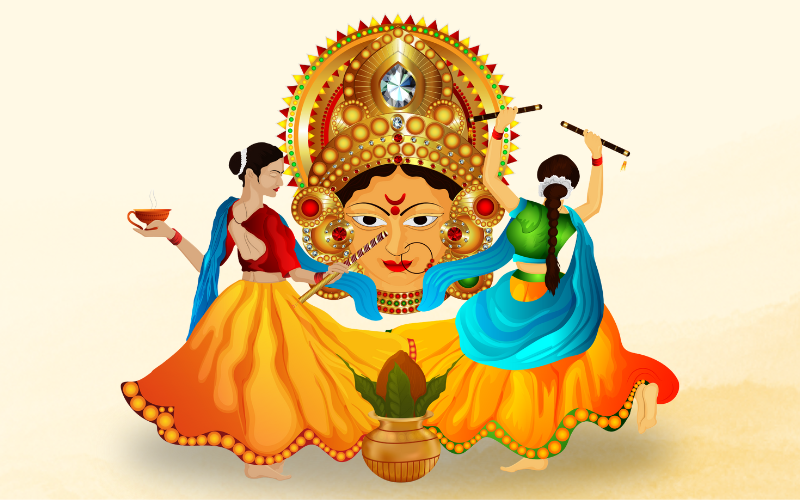
India is a land of festivals, where every celebration carries deep cultural, spiritual, and social significance. “Navratri” is particularly special to millions of folks. Navratri, often known as the “festival of nine sacred nights,” is an occasion to worship Goddess Durga and her nine splendid avatars. It is not just a religious observance but also a time of joy, dance, devotion, and togetherness.
In 2025, Navratri will once again illuminate homes, temples, and hearts across India, spreading divine energy and cultural vibrancy. Let’s take a deeper look at the “essence, traditions, rituals, and celebrations-that make Navratri one of the most awaited festivals of the year.
The Meaning Behind Navratri:
The term “Navratri” originated from Sanskrit: ‘Nav’ indicates nine, and ‘Ratri’ denotes nights. Each of these nights is dedicated to the worship of a different form of “Maa Durga”, representing power, wisdom, courage, compassion, and purity.
Navratri is celebrated four times a year—Sharad Navratri, Chaitra Navratri, Magha Navratri, and Ashadha Navratri. Among these, “Sharad Navratri-(celebrated in September–October) is the most popular and widely observed across India.
Spiritual Significance:
At its core, Navratri is a festival of “good over evil”. It commemorates the victory of Goddess Durga over the buffalo demon Mahishasura, symbolizing the triumph of righteousness over wickedness.
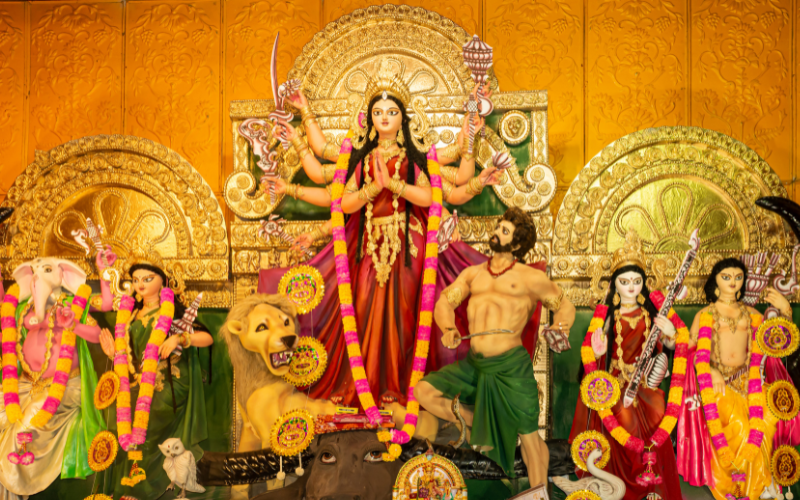
Each form of the Goddess worshipped during Navratri represents a unique aspect of feminine power, also known as Shakti. From “Shailaputri”, the daughter of the mountains, to “Siddhidatri”, the giver of supernatural powers, devotees believe that worshipping all nine forms brings blessings, protection, and spiritual growth.
Rituals and Traditions:
The rituals of Navratri vary across regions, but certain practices are common throughout India:
-“Kalash Sthapana” (Ghatasthapana):- On the first day, devotees establish a sacred pot symbolizing the universe and invoke the Goddess into it.
-“Fasting”:-Many people observe fasts during Navratri, consuming fruits, milk, and special fasting foods while refraining from grains and non-vegetarian items.
-“Daily Puja”:- Each day, devotees worship one form of Maa Durga with prayers, flowers, incense, and devotional songs.
-“Garba and Dandiya Raas”:- In Gujarat and many parts of North India, evenings are filled with vibrant dance performances, where men and women in colorful attire celebrate with traditional steps.
-“Kanya Puja”:- On the final day, young girls symbolizing the Goddess are worshipped and offered gifts, food, and blessings.
Regional Celebrations:
India’s cultural diversity makes Navratri unique in every region:
West Bengal:- Known as “Durga Puja”, it is celebrated with grandeur. Beautifully crafted idols of Goddess Durga are installed in pandals, and the festival concludes with “Visarjan”-(immersion of idols).
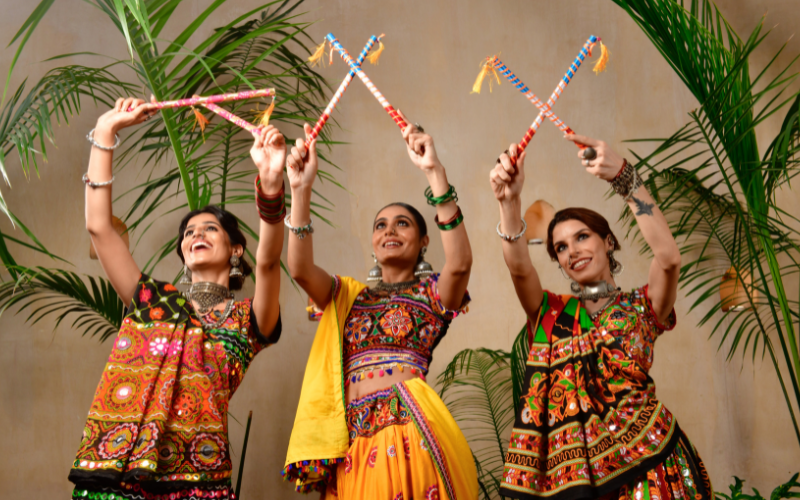
Gujarat:- Famous for its lively “Garba nights”, Gujarat becomes a hub of music, dance, and devotion.
Maharashtra:- Families celebrate Navratri with community prayers, fasting, and women exchanging gifts in a ritual called “Haldi-Kumkum”.
South India:- Here, the tradition of “Golu-is followed, where dolls and figurines are arranged on steps and worshipped throughout Navratri.
North India:- Devotees observe fasts, recite the Ramayana, and participate in “Ramlila”, a dramatic retelling of Lord Rama’s victory over Ravana.
The Colors of Navratri:
One of the most wonderful features of Navratri is the “nine colours” associated with each day. These colors—such as red, royal blue, yellow, green, grey, orange, white, pink, and purple—symbolize qualities like strength, prosperity, harmony, and spirituality. Many devotees dress according to these colors during the festival to attract positive energies.
Food and Festive Delights:
No Indian festival is complete without food, and Navratri offers a special menu of fasting-friendly dishes. Popular recipes include “sabudana khichdi”, “kuttu puri”, “singhara halwa”, “rajgira laddoo”, and refreshing drinks made with fruits and milk. These delicacies are not only delicious but also healthy, keeping devotees energized throughout the nine days.
The Modern Touch:
While traditions remain strong, Navratri has also embraced modern elements. Today, “Garba nights-are celebrated in large grounds with live music, DJs, and fusion performances. Social media platforms buzz with Navratri wishes, outfit inspirations, and devotional songs. E-commerce platforms witness a surge in sales of ethnic wear, jewelry, and festive décor as people prepare to shine during these nine nights.
Why Navratri Matters Today:
Beyond the rituals and festivities, Navratri holds valuable lessons for modern life. It teaches us:
-Discipline:-Through fasting and prayers, people learn self-control and spiritual focus.
-Unity:-Communities come together, breaking barriers of caste, creed, and class.
-Celebration of Womanhood:-The Goddess represents the power of women, reminding society to respect and honor them.
-Balance:-Navratri blends devotion with joy, spirituality with celebration, and tradition with modernity.
Conclusion:
Navratri is more than just a festival—it is an experience of “faith, culture, music, and togetherness”. The nine nights symbolize the eternal battle between light and darkness, urging us to choose righteousness and truth.
As Navratri 2025 approaches, let us welcome Goddess Durga with open hearts, decorate our homes with lights, immerse ourselves in music and dance, and spread positivity all around. Whether through fasting, worship, or celebration, Navratri gives us the opportunity to connect with the divine and rejuvenate our spirits.
vamaindia.in wish this Navratri bring you peace, prosperity, and the blessings of Maa Durga.