






Have you noticed unexpected changes in your body that don’t seem to have an obvious explanation? Maybe you’re feeling drained throughout the day, experiencing sudden skin problems, or your menstrual cycle has become unpredictable. Although these symptoms are often blamed on stress, lack of sleep, or a demanding lifestyle, they can also be your body’s way of signaling a hormonal imbalance.
Hormones act as the body’s internal communication network. Produced by various endocrine glands, these powerful chemicals influence countless functions, including energy production, reproductive health, metabolism, emotional well-being, sleep quality, digestion, and body temperature. When hormone levels shift outside their normal range, the body usually begins sending subtle warning signs long before a serious medical issue develops.
Understanding these early symptoms allows women to take proactive steps toward protecting their health through timely medical evaluation and healthier daily habits.
Below are ten common indicators that your hormones may need attention.
- Changes in Your Menstrual Pattern
Your monthly cycle is often one of the first areas affected by hormonal fluctuations.
If your periods suddenly become irregular, unusually heavy, lighter than normal, or stop without an expected reason, changing hormone levels may be responsible. Estrogen, progesterone, and thyroid hormones all play vital roles in maintaining a regular menstrual cycle.
Keeping track of your monthly cycle can help you identify unusual patterns that deserve medical attention.
- Feeling Tired All the Time
Occasional tiredness is a normal part of life, but constant exhaustion despite getting enough rest is not.
Hormonal disturbances involving the thyroid gland, adrenal hormones, or blood sugar regulation can leave you feeling physically drained and mentally sluggish throughout the day. Even routine activities may start feeling more difficult than usual.
If fatigue persists for an extended period, it’s worth discussing with a healthcare professional.
- Unexpected Weight Gain or Loss
Have your clothes begun to feel tighter or looser, even though your diet hasn’t changed?
Hormonal imbalances can slow down metabolism, increase appetite, and encourage the body to store extra fat, particularly around the abdomen. In some cases, certain hormone disorders may also lead to unexplained weight loss.
Any significant weight change without an obvious reason should be properly evaluated rather than ignored.
- Emotional Ups and Downs
Your hormones have a strong influence on your emotional health.
If you frequently feel irritable, anxious, unusually sensitive, or emotionally overwhelmed, hormonal fluctuations could be contributing to these changes. Variations in estrogen and progesterone can affect brain chemicals responsible for mood regulation.
While occasional mood changes are common, persistent emotional instability deserves attention.
- Persistent Adult Acne
Acne isn’t limited to the teenage years.

Many adult women experience recurring pimples caused by hormonal changes. Breakouts commonly appear around the chin, jawline, and lower cheeks because increased androgen activity stimulates excess oil production, making pores more likely to become blocked.
When acne repeatedly returns despite a consistent skincare routine, hormones may be playing a role.
- Noticeable Hair Changes
Healthy hair often reflects good hormonal balance.
If you’re seeing excessive hair in your shower drain, a widening hair part, or gradual thinning around the scalp, hormonal shifts may be involved. Conversely, some women develop unwanted facial or body hair due to increased androgen levels.
Both excessive hair loss and unusual hair growth deserve professional evaluation.
- Difficulty Getting Quality Sleep
A healthy sleep cycle depends on balanced hormones.
Hormonal changes can make it harder to fall asleep, stay asleep, or wake up feeling refreshed. Poor sleep can also further disrupt hormone production, creating a cycle that becomes increasingly difficult to break.
Developing healthy bedtime habits may help support both restful sleep and hormonal wellness.
- Frequent Digestive Discomfort
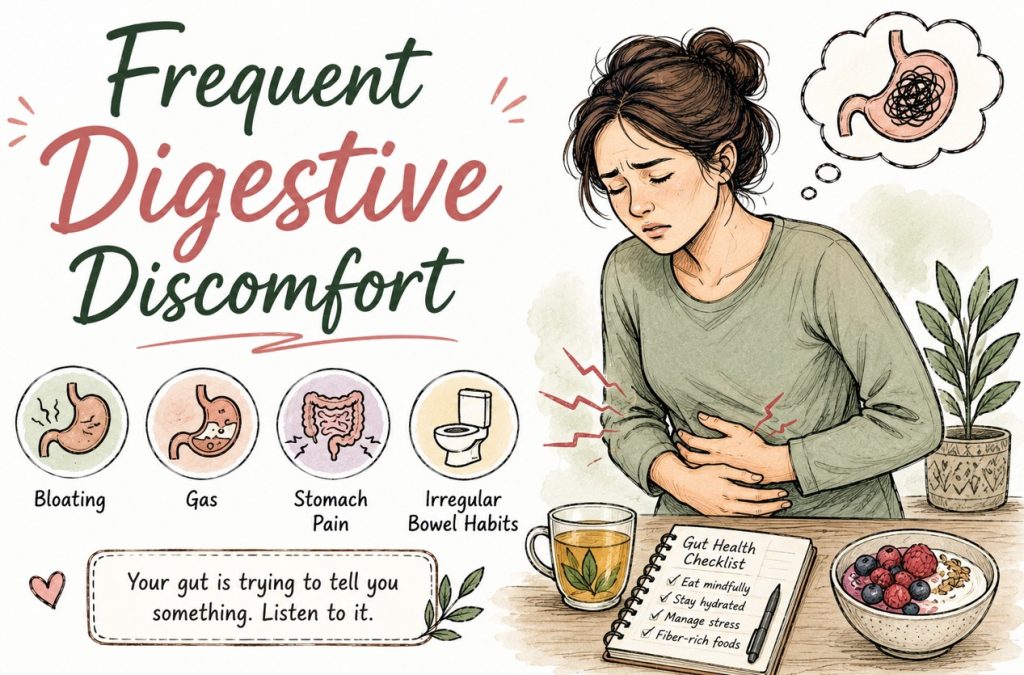
The digestive system is more closely connected to hormones than many people realize.
Recurring bloating, constipation, diarrhea, or stomach discomfort may become more noticeable when hormone levels fluctuate. Hormones influence intestinal movement and digestive function, which is why some women experience digestive changes during different stages of their menstrual cycle.
Persistent digestive complaints should always be evaluated to identify the underlying cause.
- Decreased Sexual Desire
A reduced interest in intimacy isn’t always related to stress or relationship concerns.
Hormonal shifts affecting estrogen or testosterone levels may lower libido, reduce natural lubrication, and make intimacy less comfortable. Since emotional health and lifestyle factors also influence sexual desire, it’s important to consider all possible contributors.
If these changes continue, seeking medical advice can help identify the cause.
- Trouble Focusing and Mental Fog
Have you been forgetting simple tasks or struggling to stay focused?
Many women describe this experience as feeling mentally “foggy.” Hormonal changes involving the thyroid or reproductive hormones may affect memory, concentration, and overall cognitive performance.
Although occasional forgetfulness happens to everyone, ongoing problems with focus and memory shouldn’t be dismissed, especially when accompanied by other hormonal symptoms.
Follow vamaindia for more informatic articles on women.